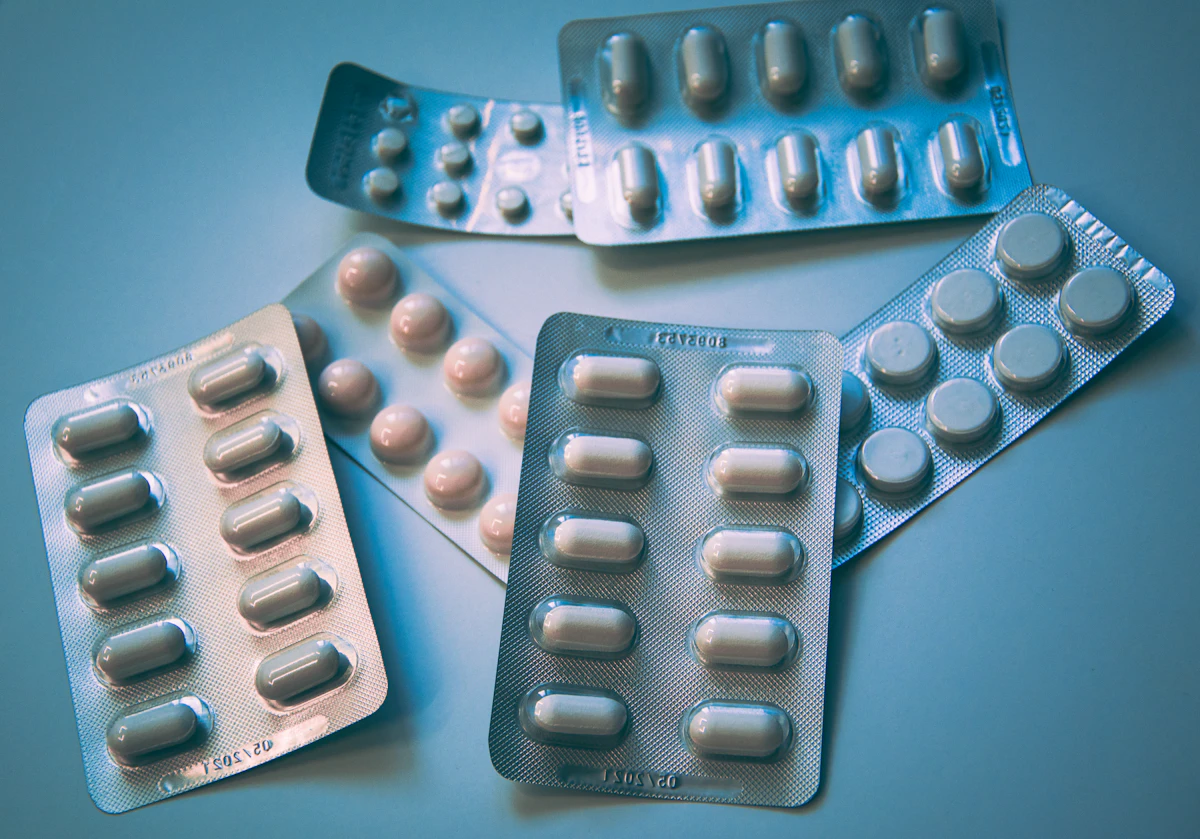

Why Every Pharma Business Needs a Drug License
In India, drugs are strictly regulated under the Drugs and Cosmetics Act, 1940. No person can manufacture, sell, stock, or distribute drugs without a valid license. The consequences of operating without one are severe — seizure of medicines, criminal prosecution, and business closure. Understanding which license applies to your business is the first step, and it’s often the most confusing one.
The 3 Main Types of Drug Licenses
India’s drug licensing framework primarily has three types:
Retail Drug License (Form 20 & 21)
This license is for pharmacies and medicine shops that sell drugs directly to the public. You need a registered pharmacist on-premises during business hours, a minimum 10 sq metre space (per most state norms), and adequate refrigeration for Schedule C drugs. Form 20 covers most prescription and OTC drugs; Form 21 covers biologicals and heat-sensitive preparations.
Wholesale Drug License (Form 20B & 21B)
Wholesale licenses are for distributors, stockists, C&F agents, and regional distributors who supply pharmacies and hospitals. They do not sell to the public directly. A competent person (pharmacist or science/pharmacy graduate) must oversee operations.
Manufacturing Drug License (Form 25 / Form 25A)
Manufacturing licenses are for pharmaceutical production facilities. Form 25 requires your own GMP-compliant factory; Form 25A (loan license) allows production at a third-party factory. These licenses additionally require Schedule M compliance (India’s GMP standard).
Key Documents for Any Drug License Application
- Identity and address proof of the applicant
- Premises documents (ownership or lease agreement — typically minimum 3 years)
- Premises site plan (drawn to scale, showing dimensions)
- Technical person/pharmacist credentials
- Product/drug list
- State-prescribed affidavits and fee
The Drug License Application Process — What Actually Happens
- You or your consultant submits the application on the state drug licensing portal.
- The State Licensing Authority reviews the application and may raise queries.
- An inspection of your premises is scheduled (for manufacturing and usually for retail/wholesale too).
- Post-inspection, any deficiencies are communicated.
- On full compliance, the license is issued.
The most common delay? Premises issues — inadequate space, incorrect layout plan, missing refrigerator. Getting a premises readiness check done before filing saves weeks.
Common Mistakes That Delay Drug License Approval
- Incomplete or incorrect premises site plan
- Pharmacist not registered with State Pharmacy Council
- Lease agreement below 3 years or missing key details
- Wrong license type applied for (e.g., applying for wholesale when retail is needed)
- Missing state-specific affidavits
- Not responding to queries within the state’s stipulated timeline
How Long Does It Take to Get a Drug License?
Timelines vary across states: Delhi NCR typically takes 30–60 days for retail/wholesale; Maharashtra (Mumbai) takes 45–90 days; Uttar Pradesh takes 30–45 days; Karnataka (Bengaluru) takes 45–75 days. Timelines can be faster with complete documentation and a clean premises inspection.
Drug License Renewal — What You Need to Know
Drug licenses are valid for 5 years. The renewal application must be filed at least 30 days before expiry (some states require earlier). If a license lapses, a fresh application is required — which means going through the full process again, including inspection.
Need your drug license fast?
DK Reg’s team handles everything from premises check to license delivery across all Indian states.
Explore Drug License Services